
Santa Monica Wayfinding with Garden Safaris
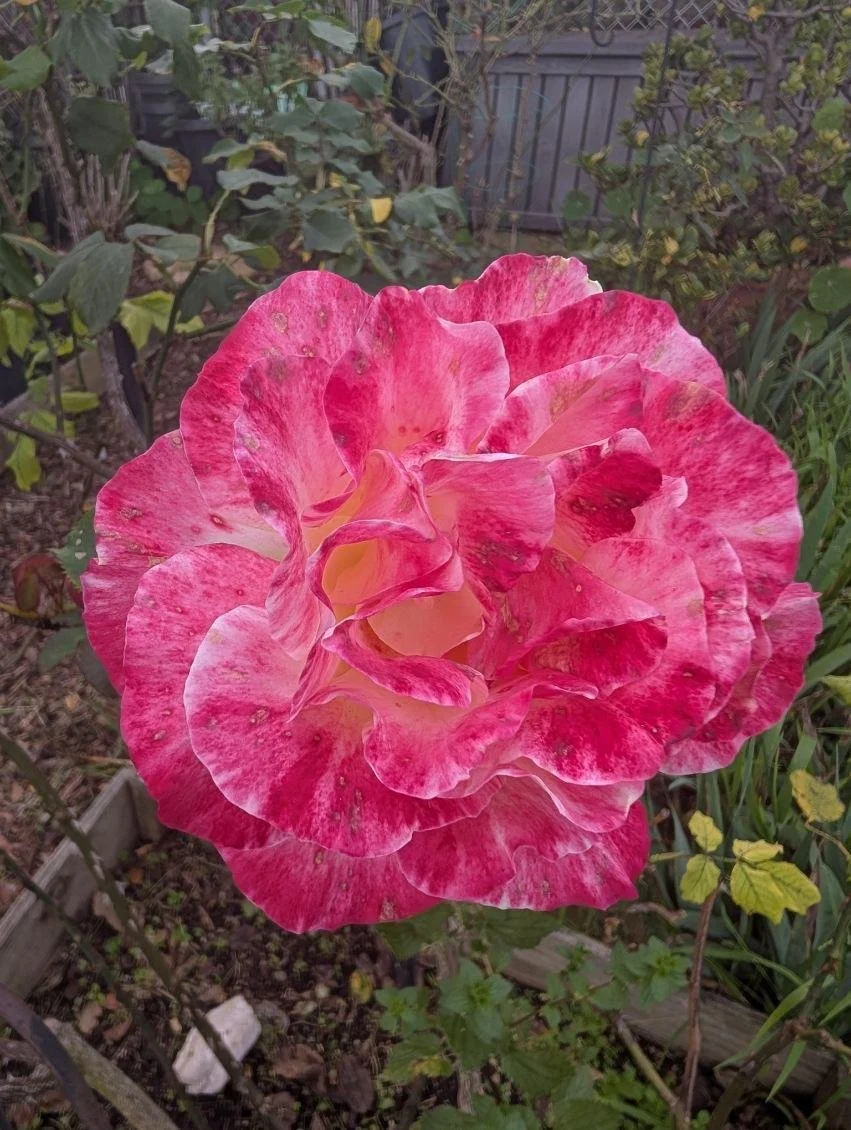
Santa Monica may appear somewhat horticulturally and architecturally homogenous: sun-washed streets, palm trees, and a smattering of Spanish tiles. But for Natalie, a historic preservationist turned walking tour creator, there exists a fascinating diversity of hidden gems.
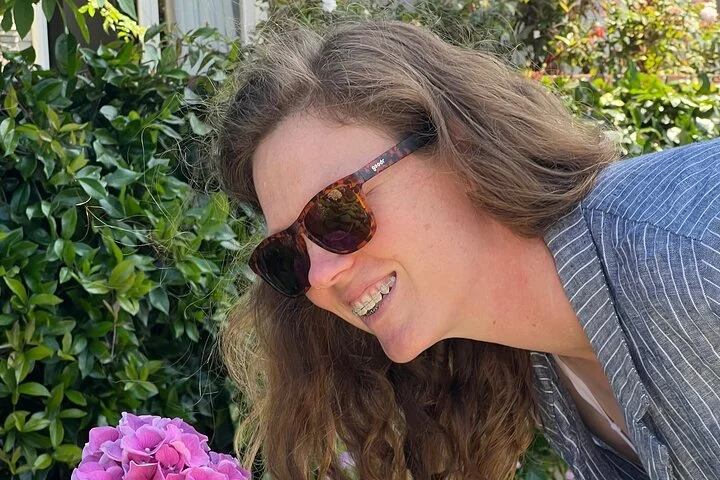
The seed for the Garden Safaris walking tours sprouted from an online community group. One day, a vague post appeared on the Ask, Borrow, Give community page. A woman named Marcia wrote that she had a business idea related to local nature and asked if anyone—especially women—might be interested in combining forces and growing it from seed. Several women replied with interest, but Natalie was the only one who showed up. When she did, Marcia explained that she was thinking about creating walking tours in Santa Monica to showcase the local beauty that so many of us so quickly take for granted.
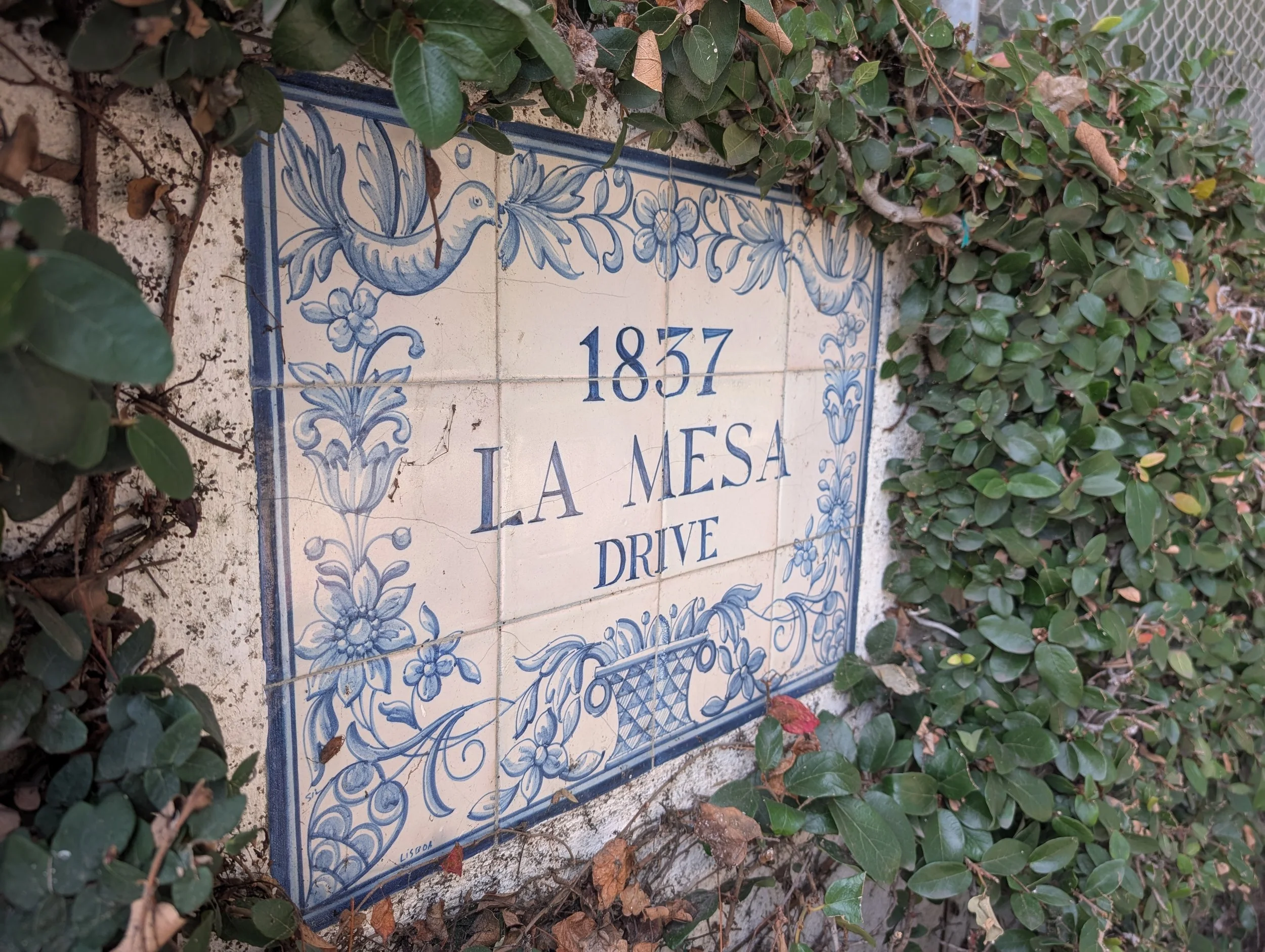
Developing walking tours was a perfect fit for Natalie. Her background consists of graduate studies at Boston University in historic preservation, which evolved into an internship-turned job at the historic, gorgeous Mount Auburn Cemetery in Cambridge, MA. This new idea felt like a way to bring together her love of historic architecture, cultural landscapes, and storytelling.

Marcia, a serial entrepreneur, brought a complementary background. Her first business grew out of a clever office supply idea—she designed a unique clipboard especially helpful on rainy days. In the 1990s, she ran a chocolate and candy store in the Brentwood Country Mart, during the height of the Beanie Babies craze, serving celebrities and locals alike. After closing her latest, a jewelry business, she is semi-retired, traveling, and developing work as a psychic medium, healer, and business coach. She’s still connected to the entrepreneurial ecosystem, frequently showing up at UCLA for Shark Tank–style events and business programs.
Marcia’s vision and entrepreneurial instincts, paired with Natalie’s preservation background, became the foundation of a new walking tour business focused on Santa Monica’s neighborhoods, focusing on the area north of Montana Avenue.
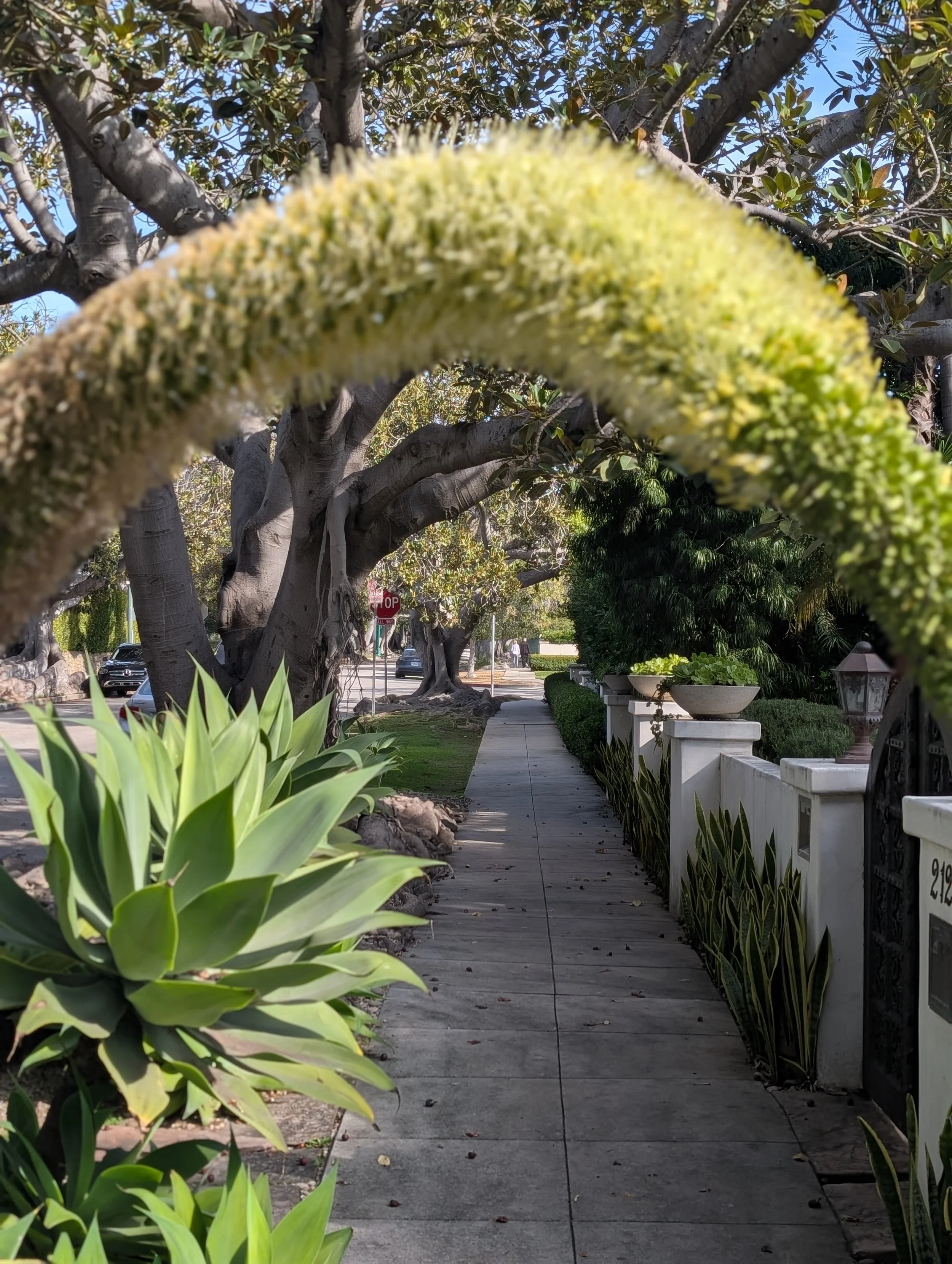
Natalie gained deep local knowledge and took on the task of making the tours “real on the ground.” She approached the work like a preservation planner and researcher, walking the routes over and over, learning not just the architecture but details of the tree canopy, the planting history, and the feel of each block. Her penned scripts weave together Santa Monica’s planning history, its long-standing tree-planting programs (dating back to the 1950s), and the stories of the people and houses that define north of Montana today. She mapped routes carefully to balance distance, pacing, and accessibility, while wrestling with surprisingly practical issues like bathroom breaks in a largely residential area with few public facilities.
These details led to ongoing experimentation: should the north of Montana tour be two hours with no bathroom break, or three hours with a stop built in, even if that added distance and time? Feedback from early guests was divided. Some insisted a bathroom break was essential; others felt three hours was simply too long. Natalie continues to test variations.
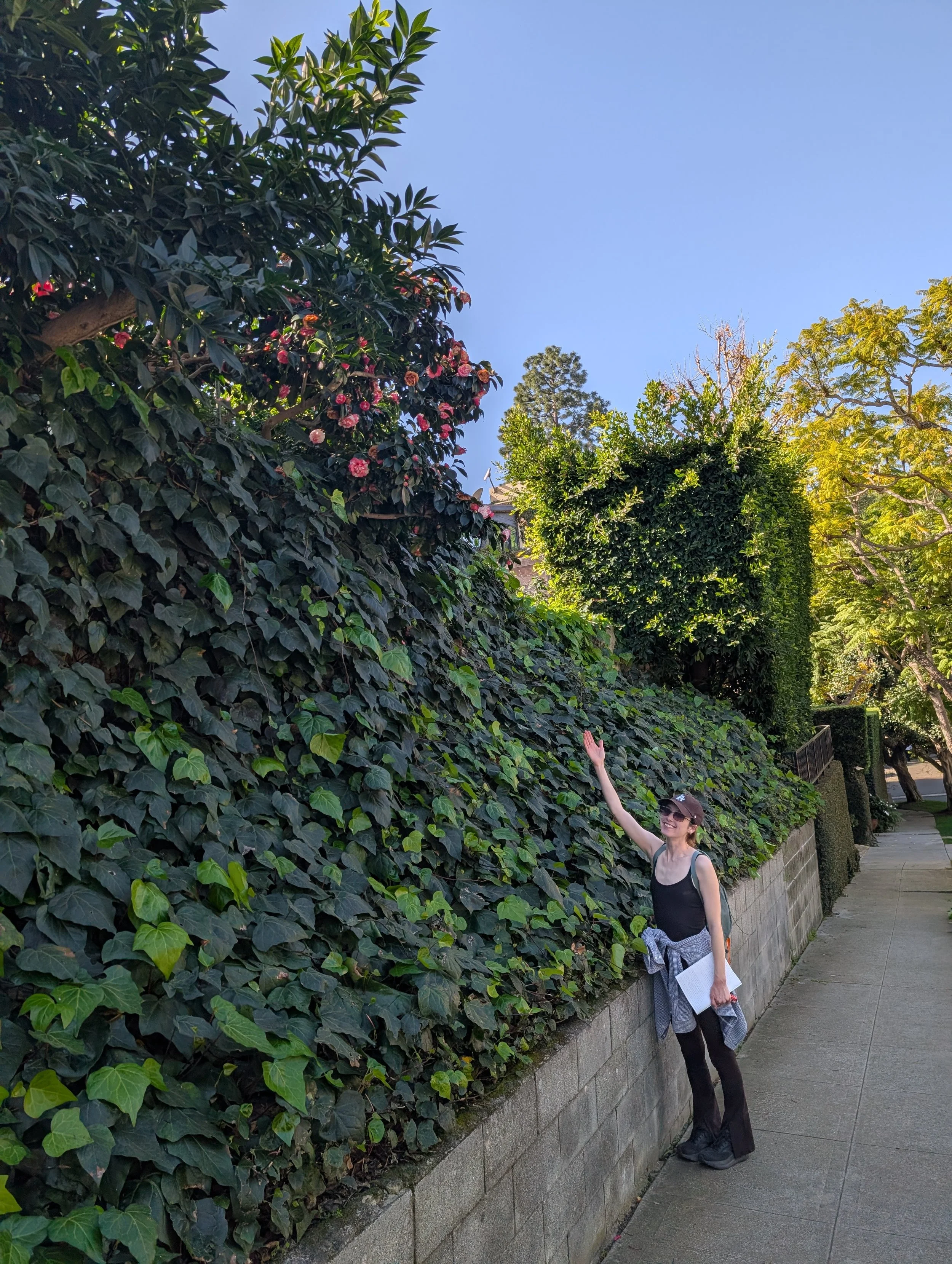
As the business developed, Audrey joined as a guide, bringing her experience at institutions like Descanso Gardens and Huntington Gardens. Her day job at Dirty Girl Gardening—helping people establish and maintain vegetable gardens, often in their front yards—combines plant knowledge and public interaction. While Natalie’s expertise leans heavily toward architecture, history, and planning, Audrey brings a deep horticultural knowledge.
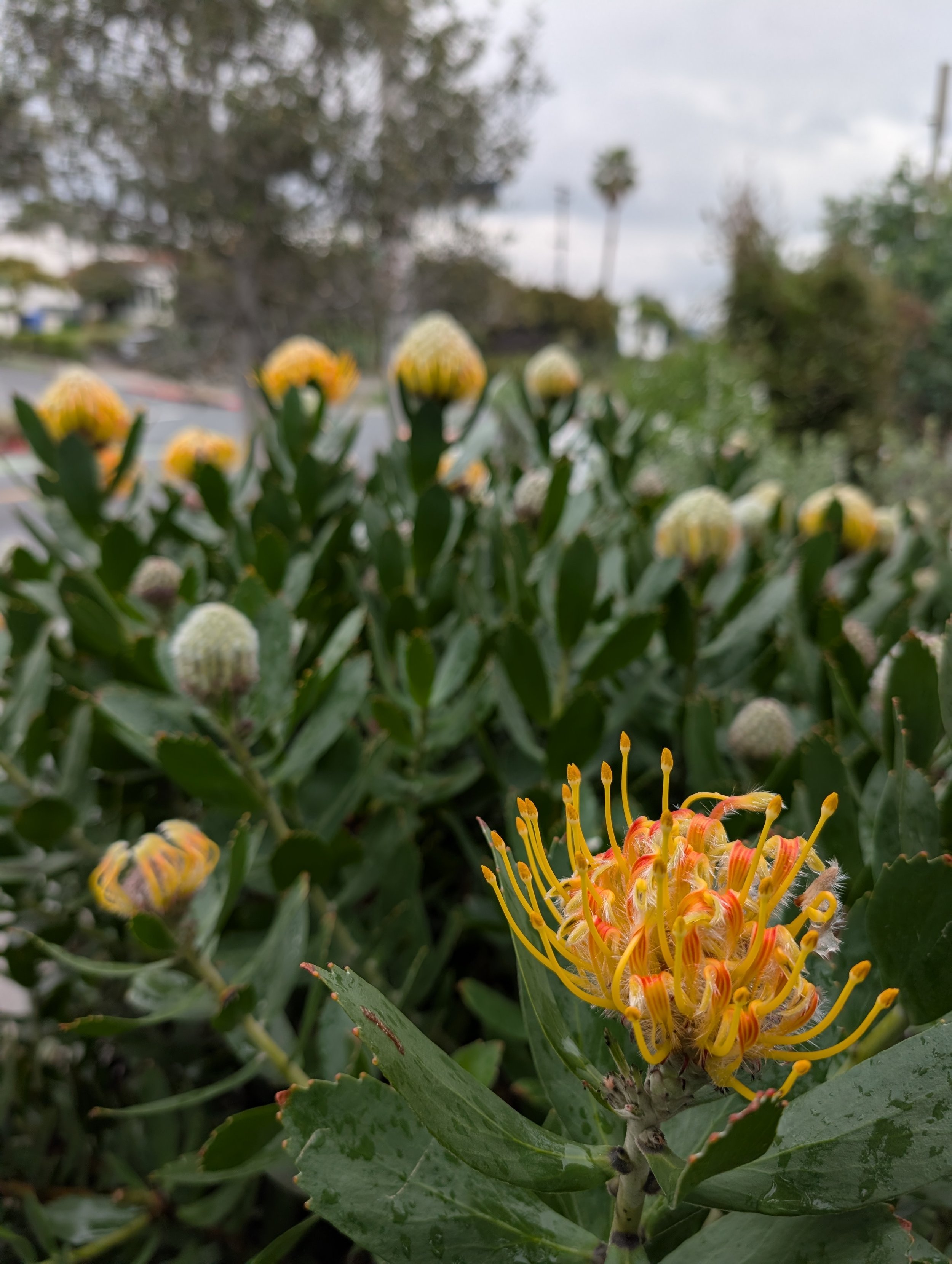
On the north of Montana route, Natalie color-codes the material—green for horticulture, blue for historic resources—and Audrey’s contributions fill in the green side with nuance and authority. She can identify plants, explain why certain species thrive (or struggle) here, and connect Santa Monica’s leafy streets to larger environmental and design stories.
Together, they are shaping the tours into something more than a standard architectural lecture. Natalie sees them as a way for visitors to “buy a friend and a local guide”—someone who has lived in Santa Monica for a decade, who can point out not just façades and trees, but also where to get a good meal that isn’t just Instagram bait.
She’s inspired by her own travels, like a Girl Scout trip to Hawaii, where a local guide tipped them off to real neighborhood pizza and hidden botanical treasures. That’s the kind of insider, relational experience she wants to offer in Santa Monica: walking with someone who can say, “Here’s what this used to be, here’s why these trees are here, and here’s where I’d actually go for coffee.”
Behind the scenes, Natalie is also learning the less romantic side of running a small tourism business: Google Analytics, Instagram, Yelp, and soon Pinterest; deciding whether to list on big platforms like TripAdvisor, GetYourGuide, or Airbnb Experiences—despite their 25% commissions; and refining pricing and group sizes. Their tours are intentionally small, emphasizing intimacy and conversation rather than megaphone lectures for 30 strangers.
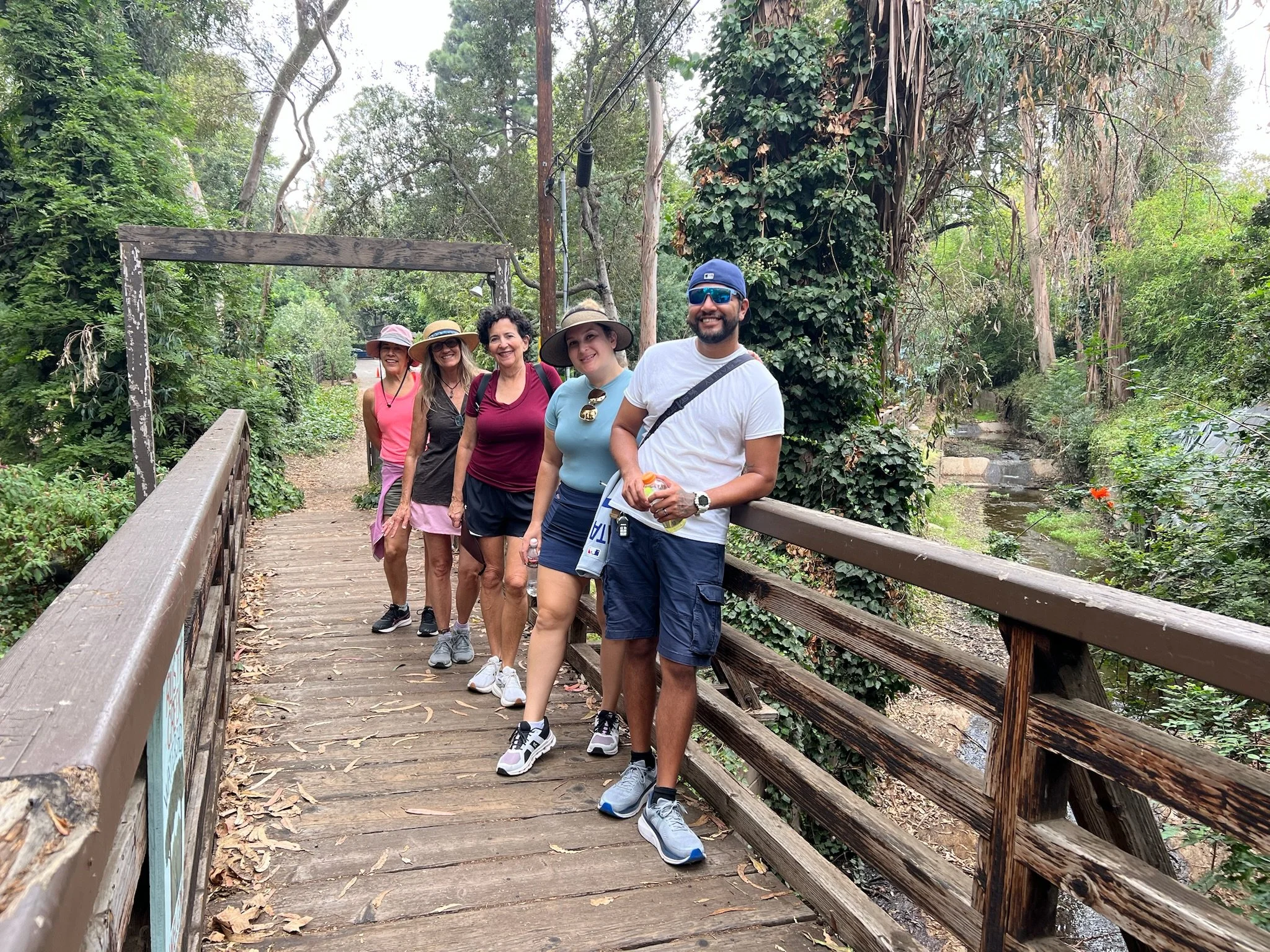
Looking ahead, the business is positioning itself to work more closely with other organizations and the broader Santa Monica ecosystem. Natalie has taken the tourism tour for Santa Monica Travel & Tourism, helping people who work in the tourism sector deepen their local knowledge so they can better advise visitors, and recently gave a tour to SMASH parents for a school fundraiser. She’s exploring how to appear in the city’s tourism portal—though she’s candid about the frustrations of navigating the system and figuring out where her information actually shows up online.
Garden Safaris’ plans include developing specialized workshops and team-building experiences for organizations (including Bahala) and local institutions like RAND. Shorter, customized routes could serve as off-site activities, staff bonding experiences, or themed walks around architecture, trees, or neighborhood history. The long-term vision is to have multiple trained guides—perhaps four in total—each bringing their own lens (history, horticulture, culture, or community organizing) while maintaining the core values of locality, depth, and human connection.
In the end, what began as a vague Facebook post has become a living project: a small, evolving walking tour company that treats Santa Monica not just as a backdrop for tourism, but as a layered, living landscape—one best understood at walking pace, in conversation with someone who truly knows and loves it.
Jessica Cole