
From Stand-Up to Seven Novels: Suzanne Park’s Paths to Laughter
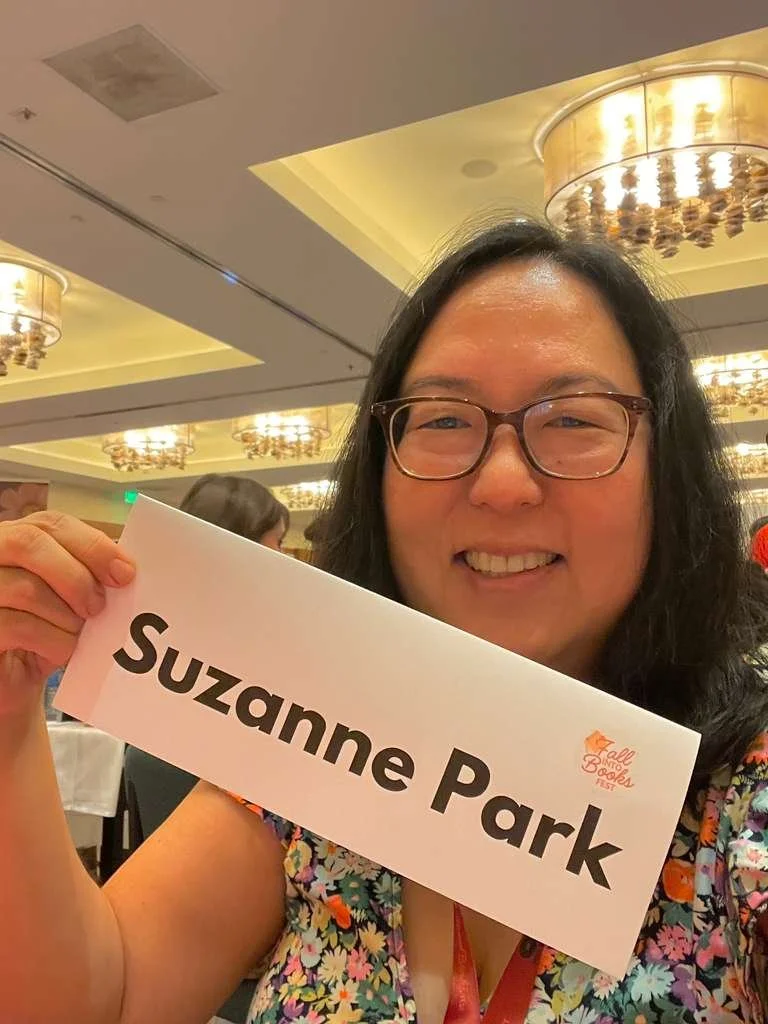
For one Santa Monica–based novelist, the path to publication began on the stand-up comedy stage. “I didn’t start out trying to become a novelist,” Suzanne Park explains. “My real goal was always to write comedy.”
Performing in New York, Los Angeles, and Seattle sharpened her instinct for timing, voice, and audience reaction. As more experiences accrued, including becoming a parent, she realized that she “wanted to continue writing humor, but without the performance part.”
Instead, she channeled her life experiences from childhood to early adulthood into humorous personal essays. But agents bluntly told her that any kind of memoir writing faced difficulty in the marketplace unless the author already had a major platform or was a celebrity.
In the once-fertile online community of @TwitterWrite, one agent reached out generously with a helpful insight: Suzanne’s essays contained strong narrative foundations. Had she considered writing a novel?
“If becoming a celebrity was the requirement to publish essays,” Suzanne joked, “I figured writing fiction might be the easier path.”
Working full-time, she set herself a modest goal: write one page every day. If she maintained that pace for a year, she would end up with a 365-page manuscript. Each day she wrote a page, she would reward herself with a glass of wine. She jokes, “Once I tallied those, I chose a different reward for my subsequent books, like a walk.”
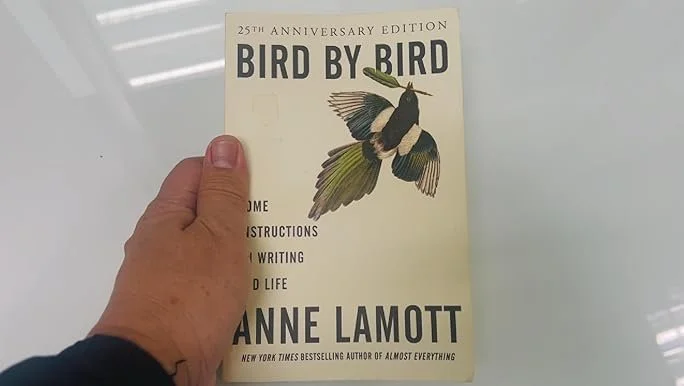
By the end of the year, she had completed a novel-length draft. It was sprawling, messy, and imperfect, but it existed. As Anne Lamont’s classic Bird by Bird taught us, the messy first draft serves as an essential part of any creative process. It’s nearly impossible to improve on the invisible.
After some initial edits, Suazanne applied to a mentorship program—also through the Twitter Writing community, now sadly defunct—pairing emerging writers with experienced authors. Applicants submitted manuscripts, and those selected received editorial guidance before pitching their work directly to literary agents.
Two mentors chose her manuscript. “They said they were looking for something different,” she recalls, “but they really liked my voice.” She remains close with both women.
The partnership proved transformative. The mentors helped her refine the work and navigate the pitch process. By the end of the program, she had signed with her first literary agent.
Securing an agent is often portrayed as the hardest step in publishing. In truth, it’s only the beginning. First, an agent has to sell a writer’s manuscript to a publisher. Over the next several years, Suzanne wrote multiple novels—three full manuscripts in total. Each came close to publication but ultimately fell short.
“An editor would champion the book and bring it to an acquisitions meeting,” she explains. “Then something would happen internally, and it wouldn’t get approved.”
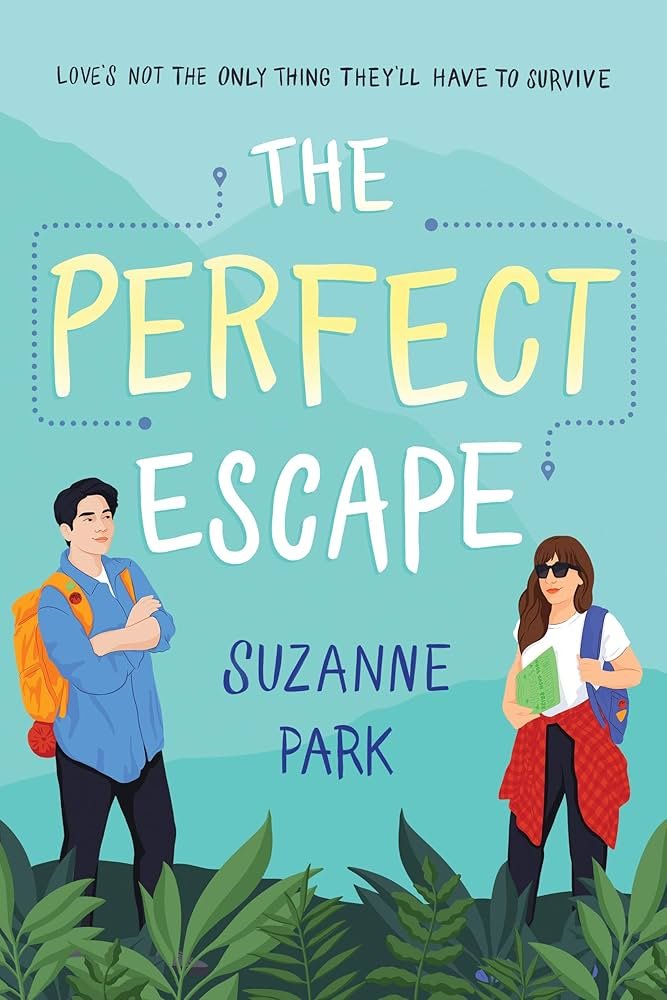
The process repeated itself again and again. “It’s a common story,” she says. “People think the first book you publish is the first book you wrote. Usually it’s not.” Her fourth manuscript, a multicultural YA titled The Perfect Escape, was the first to sell. It follows Korean-American Nate Jae-Woo Kim trying to balance family expectations and first love, hilariously set in a zombie-themed escape room.

Published later that same year (2020), Suzanne’s second published novel, Loathe at First Sight, began life as a workplace dramedy. “I realized that if I swapped out the protagonist’s fiancé for a workplace rival who became the romantic lead, it could become a romantic comedy,” she said.
Through every stage of her career—from stand-up to novels—the throughline has been humor.
Even when her books are marketed within romance or contemporary fiction categories, she sees them differently. “I think of them as comedy forward,” she says. “The romance is there, but the humor leads.”
Genre labels in publishing can be rigid, she notes, especially compared with film and TV, where tonal blending is more common. “In movies, if you say rom-com, people have a clear idea,” she explains. “In publishing, those categories don’t always line up the same way.”
For her, the priority isn’t fitting neatly into a genre. It’s making readers laugh—and offering a sense of relief in uncertain times. “I’m not trying to write to trends,” she says. “I just want to write something that brings humor into people’s lives.”
Her career has accelerated rapidly. She has now published seven novels: four for adult readers and three for young adults. One of her novels previously attracted Hollywood interest before the industry slowdown surrounding the writers’ strike. She remains open to film adaptation: “Besides the blending of genres, some concepts actually work better on screen than on the page.”
For a stretch of time, the pace was intense. “Sometimes it was two books a year,” she says. “Writing them, promoting them, doing events, podcasts, social media—everything.” The schedule was exhilarating but exhausting. “I was working constantly and not really taking care of myself.”
Over the past year, she has made wellness a priority. Her new routine begins with exercise every morning—often a brisk walk—before she sits down to write in the afternoon.
The shift has been surprisingly measurable. Her phone’s health tracker recently showed that she averaged 34 minutes of exercise per day over the past year.
“That was shocking to see,” she says. “Before, it might have been five minutes.”
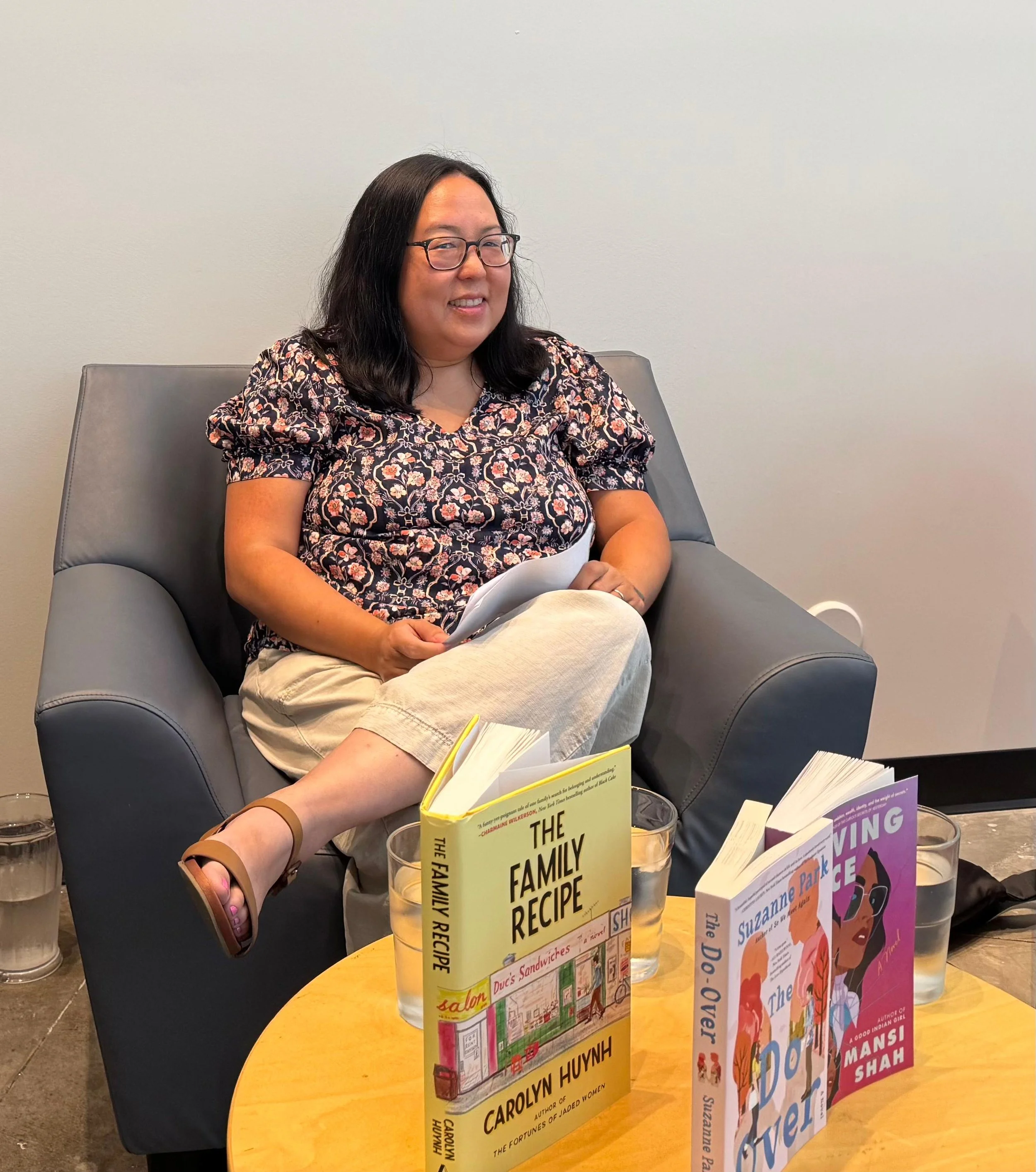
Recently, she made another significant change: switching literary agents. The move wasn’t about dissatisfaction but expansion. She wanted representation that could support projects across a broader range of genres and age groups—from children’s books to adult fiction.
“I’m still figuring out exactly what I want to write next,” she says.
Several ideas are already in development. One is currently being discussed with her agent. Another is a concept she simply finds hilarious, even if she isn’t sure how commercially viable it might be. “That one might just be for me,” she said.
Looking back, the path from stand-up stages to bestselling novels might seem circuitous. But in her mind, it’s actually quite direct. “The goal has always been to write comedy.”
After seven novels and years of storytelling experience, she feels closer than ever to that original intention. Whatever form her next project takes—novel, screenplay, or something else entirely—one thing is certain:
“It’s going to be funny.”
Jessica Cole