
A Transformative Journey Integrating Creativity and Healing
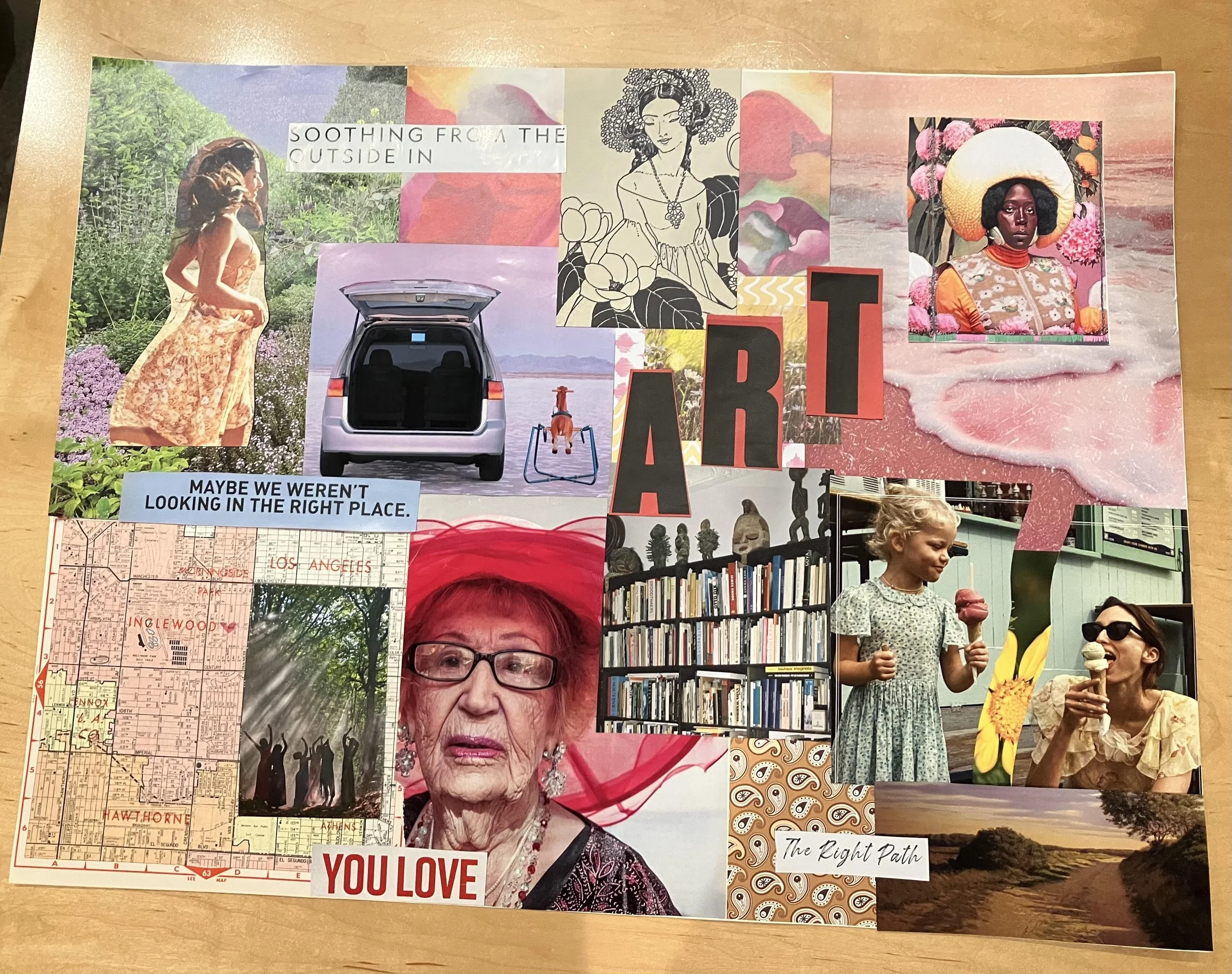
Art as an entry point to personal growth has intrinsic value, a counterpoint to societal pressure for constant achievement and perfection. We simultaneously know this truth deeply and need constant reminders—nudges, if not guardrails, to stay on the path of creating for self-expression rather than focusing on external validation.
At the heart of Jackie Glosman’s therapy practice is the belief that the creative process itself is healing. Whether through one-on-one therapy sessions or group sessions, art therapy invites people to engage with their emotions, explore their inner world, and confront their struggles in a safe and nurturing environment. Jackie’s approach is rooted in the understanding that art is not about creating something beautiful or perfect. Instead, it's about the process. The journey of creation, exploration, and reflection is the surest route to profound insights and personal growth.
Why do we need so many reminders that creativity is essential and the product of making is secondary? I bemoaned how often I forget. As a therapist who trained as an artist and grappled with the process-product of art making, Jackie’s wisdom resonated: “We live in a capitalist society that constantly tells us we’re not doing enough. You’re not failing by needing reminders.” Her smile widened. “You’re simply practicing.”
Jackie’s career began in art school, where she studied painting. In that world, the pursuit of artistic mastery felt like a worthy, albeit challenging, goal. After graduation, she moved to West LA and interned at the prestigious Bergamot Station called Patrick Painter, a gallery that served as a hub for contemporary art. It was exciting, but Jackie felt a pull to teach, share, and impact others.
To that end, she took on an administrative role at the Brentwood Art Center that gradually expanded to teaching art classes for children aged 4-8. It was there that Jackie realized her love for teaching, using drawing and art materials to help kids tap into their own emotional resources.
The call to help others navigate their own emotional landscapes became louder, leading her to pursue a degree in Marriage and Family Therapy with a specialization in Art Therapy. Jackie graduated as part of the last class of the Philips Graduate University in Chatsworth, which has now been acquired by Campbellsville University. This transition from art instruction to therapeutic practice wasn’t a drastic shift but rather a deepening of her commitment to helping people use creative expression as a path to emotional healing.
After years of working as a therapist, she saw firsthand how creative expression could help people process their emotions in ways that words alone often could not. “Art gets to the essence of feelings,” she says. “It helps people move through their challenges, not by giving them a perfect solution, but by allowing them to express and understand themselves better.”
One of the exercises Jackie often uses in her sessions is an inside-outside drawing. She asks clients to imagine a rudimentary outline of their body and illustrate what it looks like on the inside and outside. This exercise allows clients to identify discrepancies between how they feel internally and how they present themselves externally. The process of drawing becomes an act of self-reflection, and the resulting artwork can offer valuable insights into hidden emotional blocks or unresolved feelings.
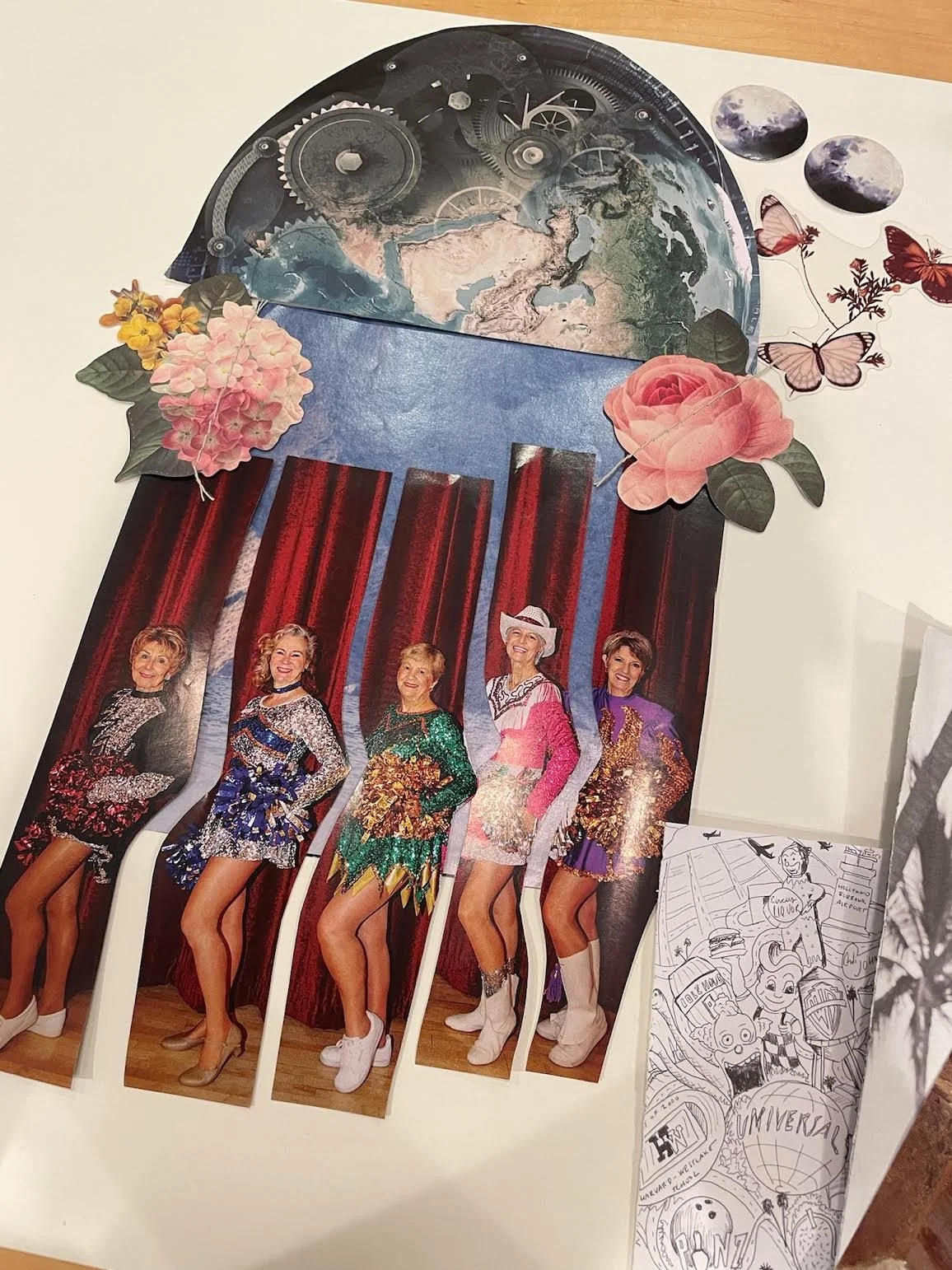
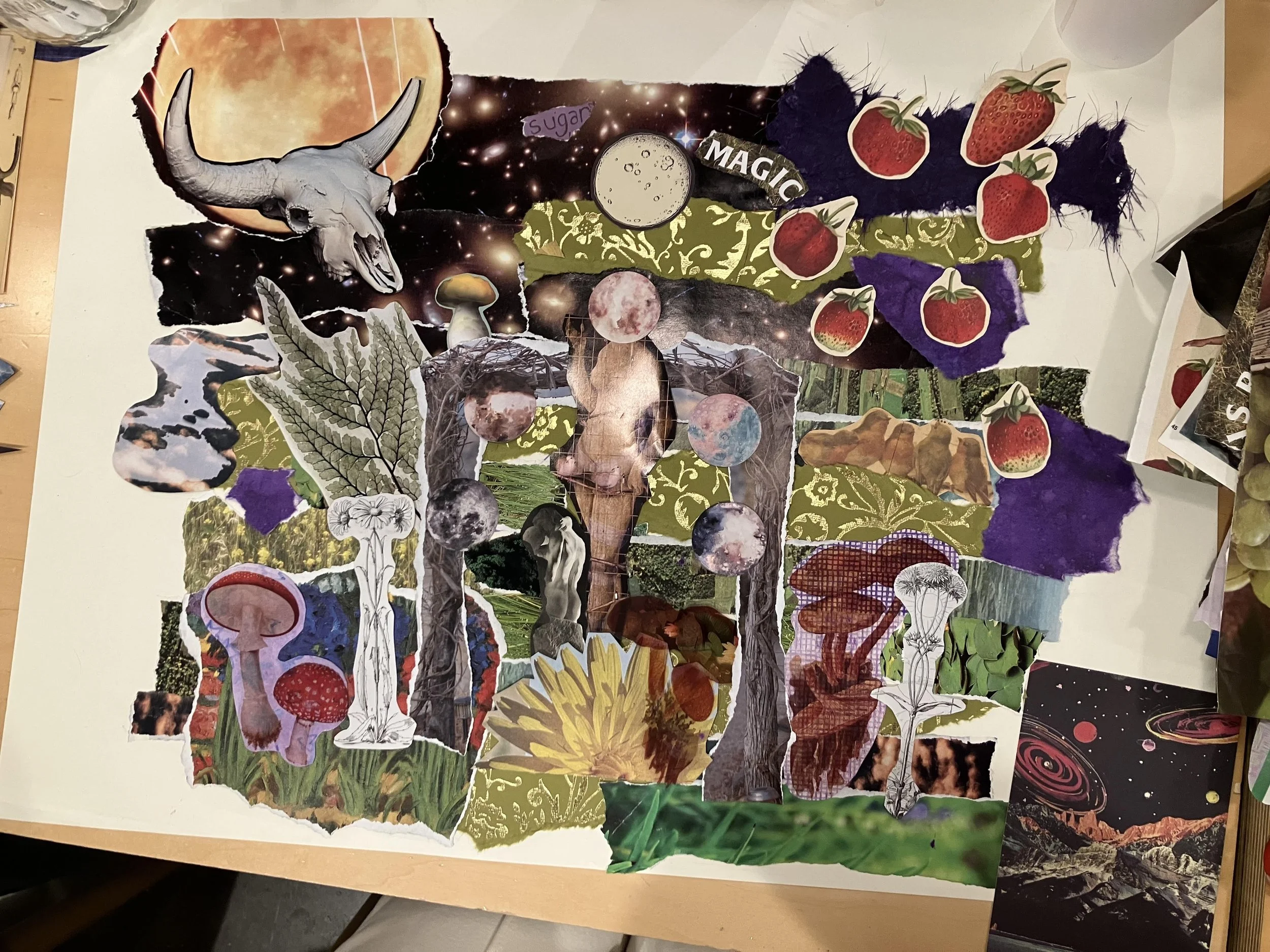
Humans naturally respond to images—words often “aren’t exact enough”—so Jackie incorporates her art background and encourages clients to connect with their intuition through images and symbols. In group therapy, such as her women’s cathartic art therapy sessions, clients are invited to create vision boards. These boards are not just about setting goals, but about discovering what truly matters on a deeper level. The process of selecting images that resonate with them helps clients attune to their inner world, often revealing desires or fears they hadn’t previously acknowledged.
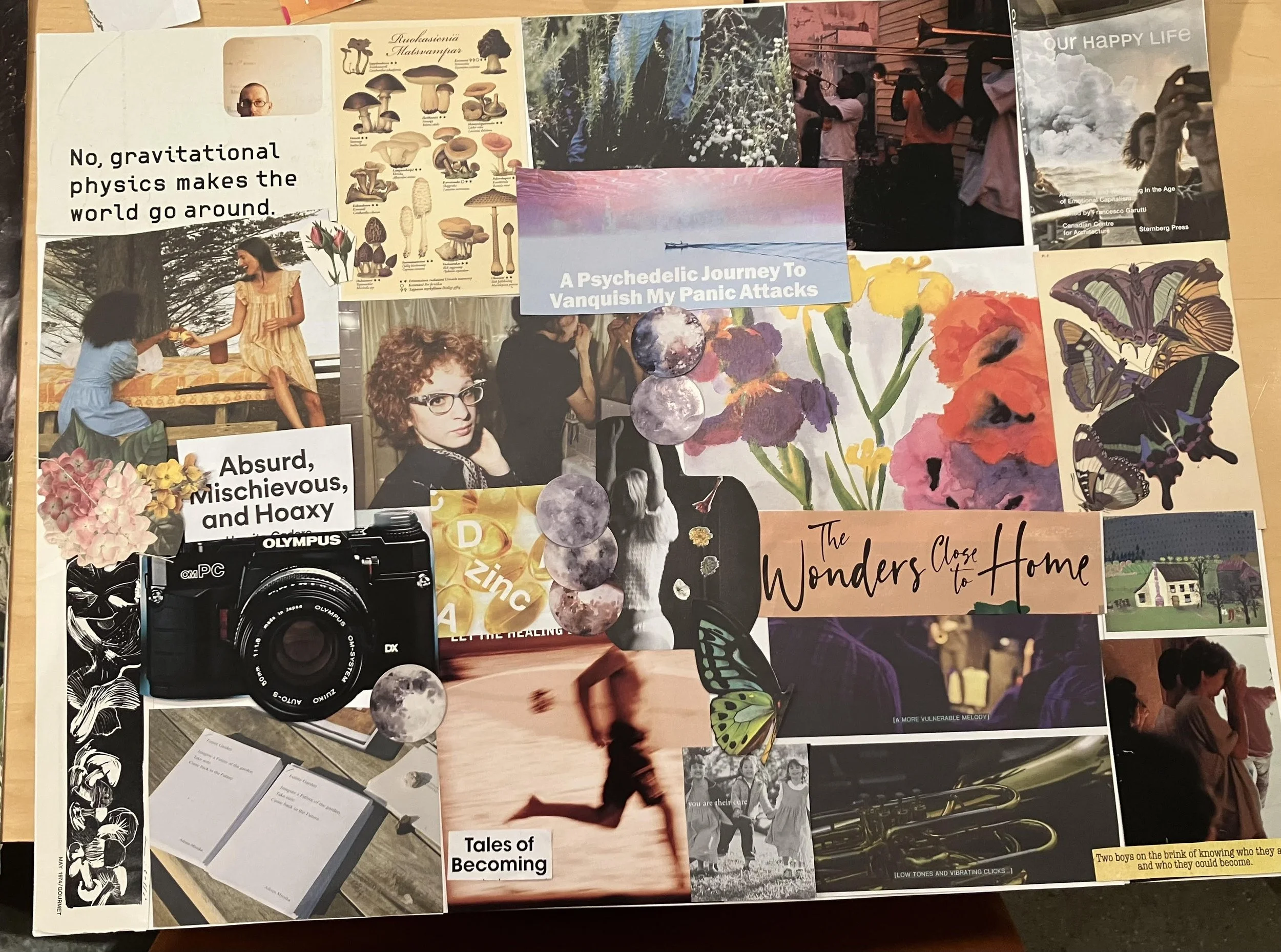
Jackie describes vision boards as “guiding lights to our interior.” She precuts images from magazines and encourages clients to physically sift through a bowl of tangible possibilities, attuned to their gut reactions. Choosing and adhering images to a blank canvas in an intuitive pattern creates a space for self-discovery and grounding, rather than the more circuitous method of searching for, identifying, and finding a corresponding image for complex emotions. “Ironically, the process is more about what we don’t pick from among a sea of options,” she explains. "It’s more about letting go.” She smiles. “By creating our own visual lexicon for even the most nebulous parts of ourselves, we can better understand the difference between fear and wisdom, which sparks more authentic choices in our daily lives.”
As always, a supportive community accelerates the healing process. In her vision board workshops and other group therapy sessions, she creates an environment where people can come together, share their experiences, and encourage one another. Connection is empowering; so too is a judgment-free space where playful exploration opens locked doors of shame and loneliness. “It’s essential to provide lived evidence that we’re not the only ones struggling to even articulate what we think and feel,” Jackie shares. “The most rewarding part of my work is seeing people feel seen and validated.”
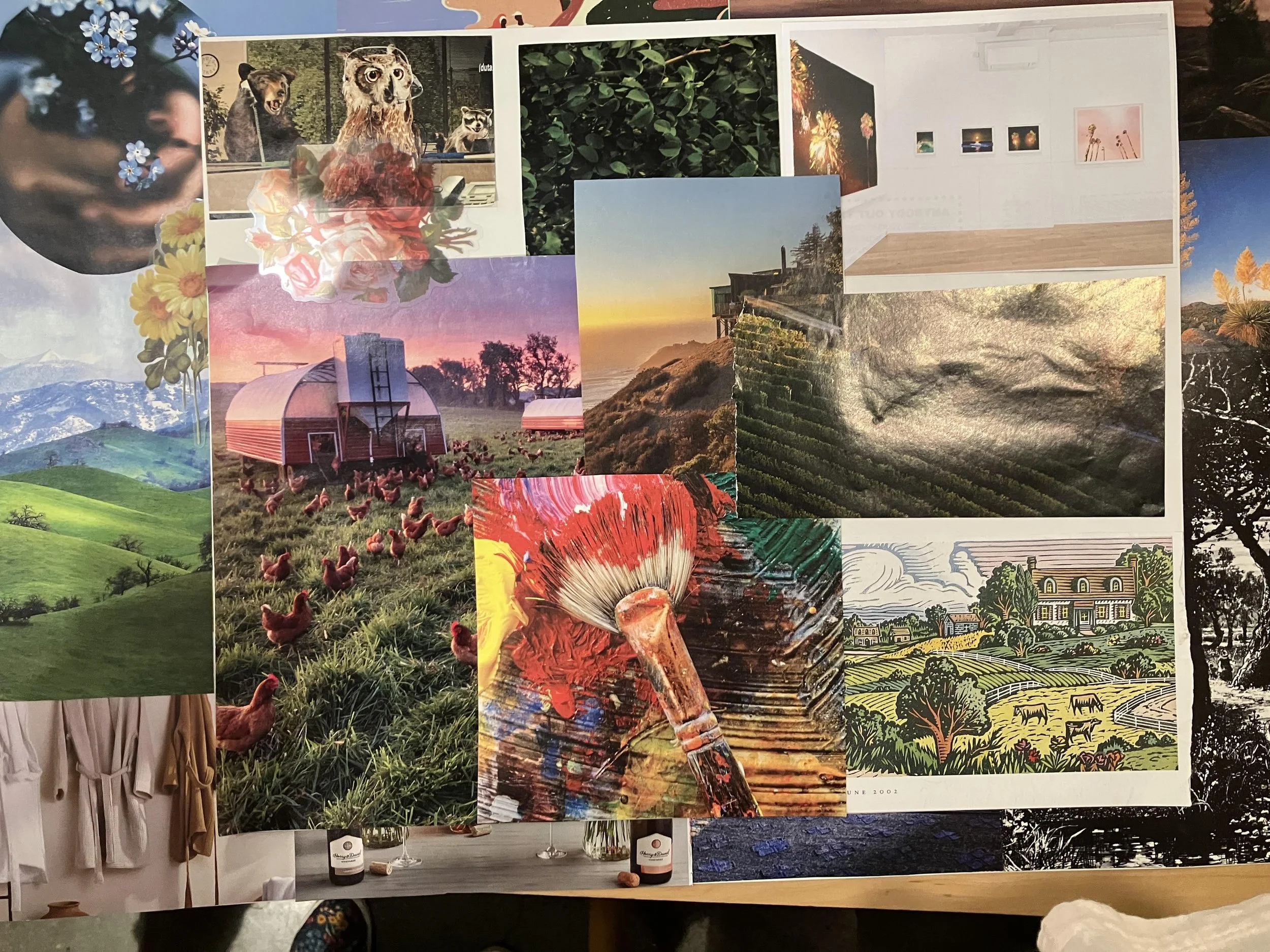
In these sessions, the therapeutic space becomes one where people are allowed to be human, to grapple with their anxieties, and to confront their vulnerabilities. “We’re not trying to fix everything right away,” Jackie says. As a therapist, her role is not to provide all the answers, but to guide her clients back to themselves. Through art, she offers them the space to explore, reflect, and heal. It’s a powerful reminder that sometimes, the most profound answers lie not in words, but in the process of creating something meaningful.
In a world that often values product over process, Jackie’s work encourages people to slow down and embrace the journey. Whether through art therapy or one-on-one sessions, her clients are reminded that healing is not linear, and personal growth takes time. “Reminding people that it’s okay to not have everything figured out is an essential part of the work,” she notes. “Being human means grappling with existential questions, and that’s okay.” It’s not about being the perfect artist or having it all figured out. It’s about embracing the messy, beautiful, and transformative journey of being human.
For those interested in experiencing this transformative process firsthand, Jackie will be guiding us in creating our own vision boards on Sunday, December 14th at the Colorado Center. RSVP, please. As this year draws to a close and a new one opens its arms wide, we can set our sights on what we can practice: self-reflection, personal growth, and community connection.
Jessica Cole